Strong women of Tanzania
More than neighbors – The story of Edda, Mikolina and Susanne

Sometimes it is not grand gestures, but the quiet deeds of everyday life that show true greatness. In Tanzania, where many women live under difficult conditions, there are always stories that are deeply moving – not because they tell of suffering, but because they bear witness to strength, dignity and solidarity. Three women who embody this spirit are Edda, Mikolina and Susanne. Their story is a shining example of how responsibility, care and education create a future – even without security, wealth or state aid.
Edda – Strong despite a heavy load
Edda was the mother of Efrasia, one of our scholarship holders. When her husband Jeliko died in 2017, she suddenly found herself all alone – and with a severe physical disability. No pension, no social welfare, no safety net. But giving up was not an option for Edda was out of the question. She fought her way through, day after day day, and worked as a small business owner. For Neema Craft Center in Iringa, a workshop for people with disabilities, she made jewelry – precise, creative, beautiful. The workshop not only gave her a smallincome, but also a microloan with which Edda was able to build a small house for herself and her daughter.
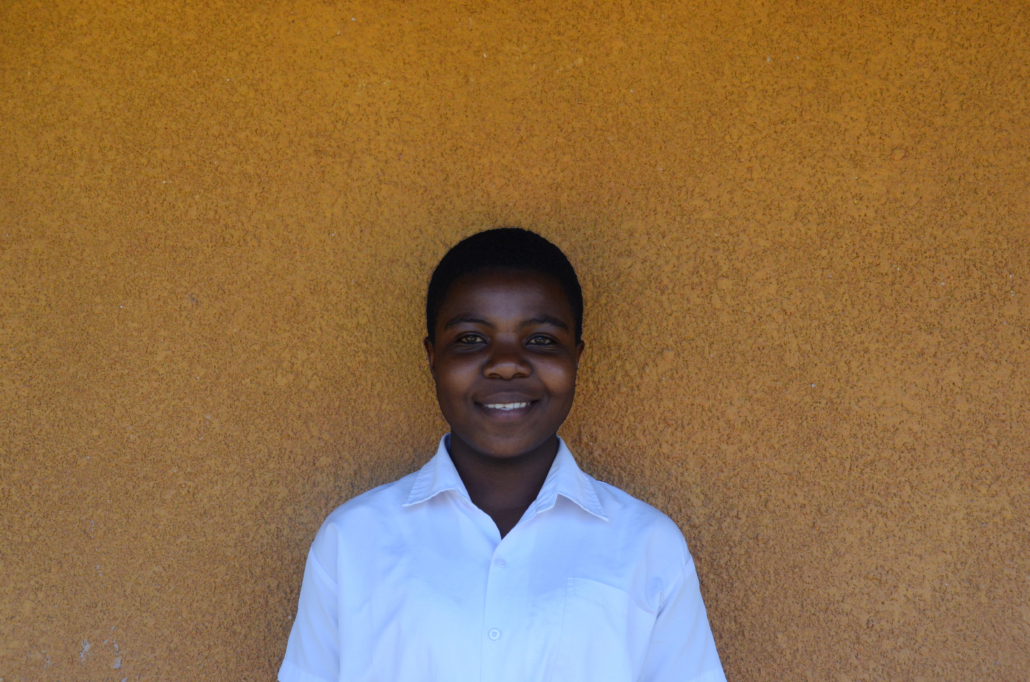
But the greatest gift for Edda was education. When SCHULBANK e.V. paid the school fees for Efrasia and made it possible for her to attend one of the best elementary school in the country, she could hardly believe it. It was a glimmer of hope he gave her new strength. Because Edda knew that only education could open up a life beyond poverty for her daughter. Edda passed away in 2019 – but what remains is the memory of a small woman with enormous strength who has given everything so that her daughter has a better future.
Mikolina – Carried together
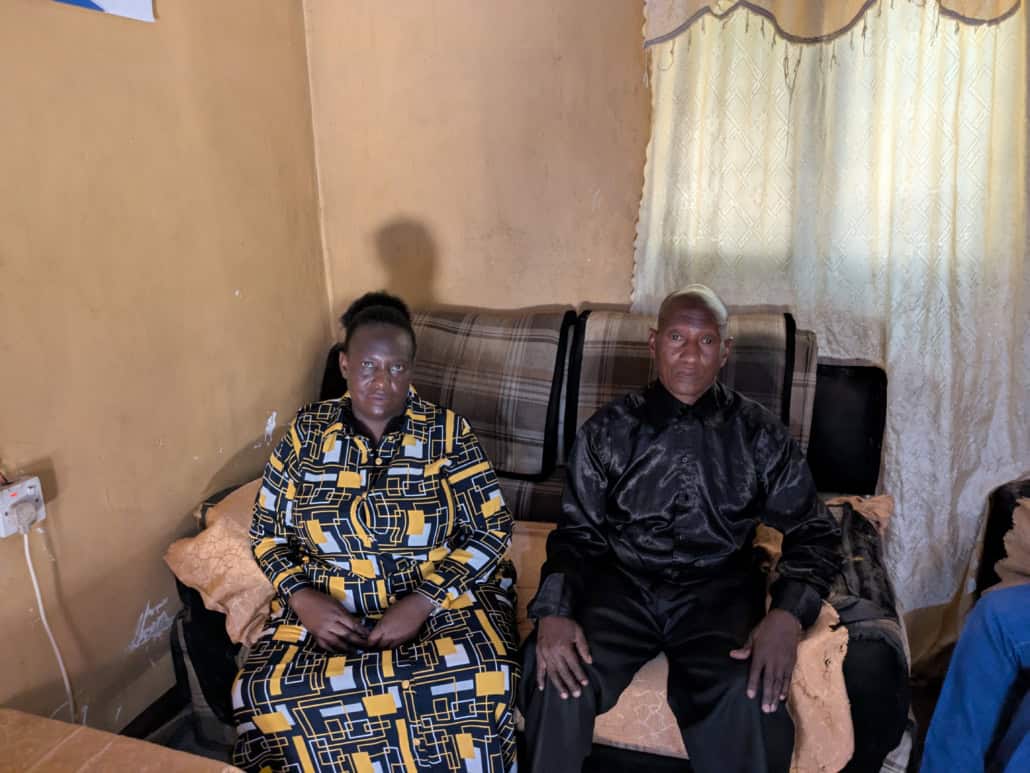
Whens Edda died, Efrasia was just about to continue her school career. But now a new chapter of uncertainty began. Disputes arose in the family over the care of the girl – and as is so often the case when many talk but no one acts, it was finally a woman who took responsibility: Mikolina, Edda’s neighbor.
Without hesitation, she took Efrasia into her family, took over guardianship and gave the girl a new home. Mikolina could have leaned back. She could have said: “I have enough to do.” But she did it does not. Because in Tanzania, neighborhood often means more than a shared piece of land. It means responsibility, community, care.
Susanne – Support across continents
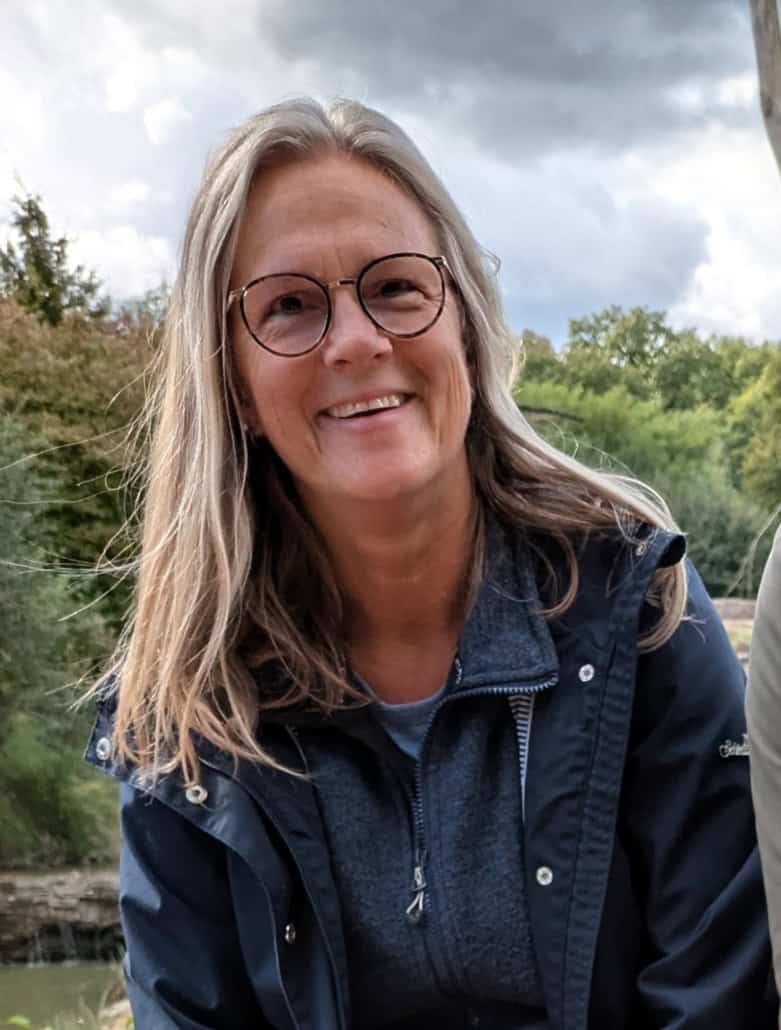
But it is not just the local women who support this network of care. Susanne Feldmann from Coesfeld began funding the scholarship for Efrasia while Edda was still alive – and continues to do so today. And when Edda passed away and Mikolina took over responsibility, Susanne quickly tripled her support. Not only to ease Efrasia’s worries about the future, but also to take the pressure off Mikolina. This extraordinary commitment shows that this is how the SCHULBANK family works – based on solidarity, compassion and the firm belief that education can change lives.
Women as the foundation of society
Edda, Mikolina and Susanne – three women, two continents, one common goal: to accompany a girl on her way to a better life. They are examples of many others: quiet heroines who form the backbone of the community in a patriarchal society. They are mothers, providers, encouragers, fighters. They know that the future of their children lies in education – and that they themselves are the key to this.
Her story also shows that solidarity is deeply rooted – in Tanzania as well as in Germany. If a child is left behind alone, it is not forgotten. It is taken in, loved, supported – not because it is easy, but because it is the right thing to do. Women like Mikolina and Susanne carry on this tradition, across borders, from generation to generation.
Three women, one legacy
Today, Efrasia is growing up in safety and continues to attend school – supported by the legacy of three women who paved the way for her. Edda, Mikolina and Susanne have shown that courage, compassion and humanity can change more than any system. Their stories are part of a larger movement – a movement of women who are raising not only their own children, but the future of an entire country.